

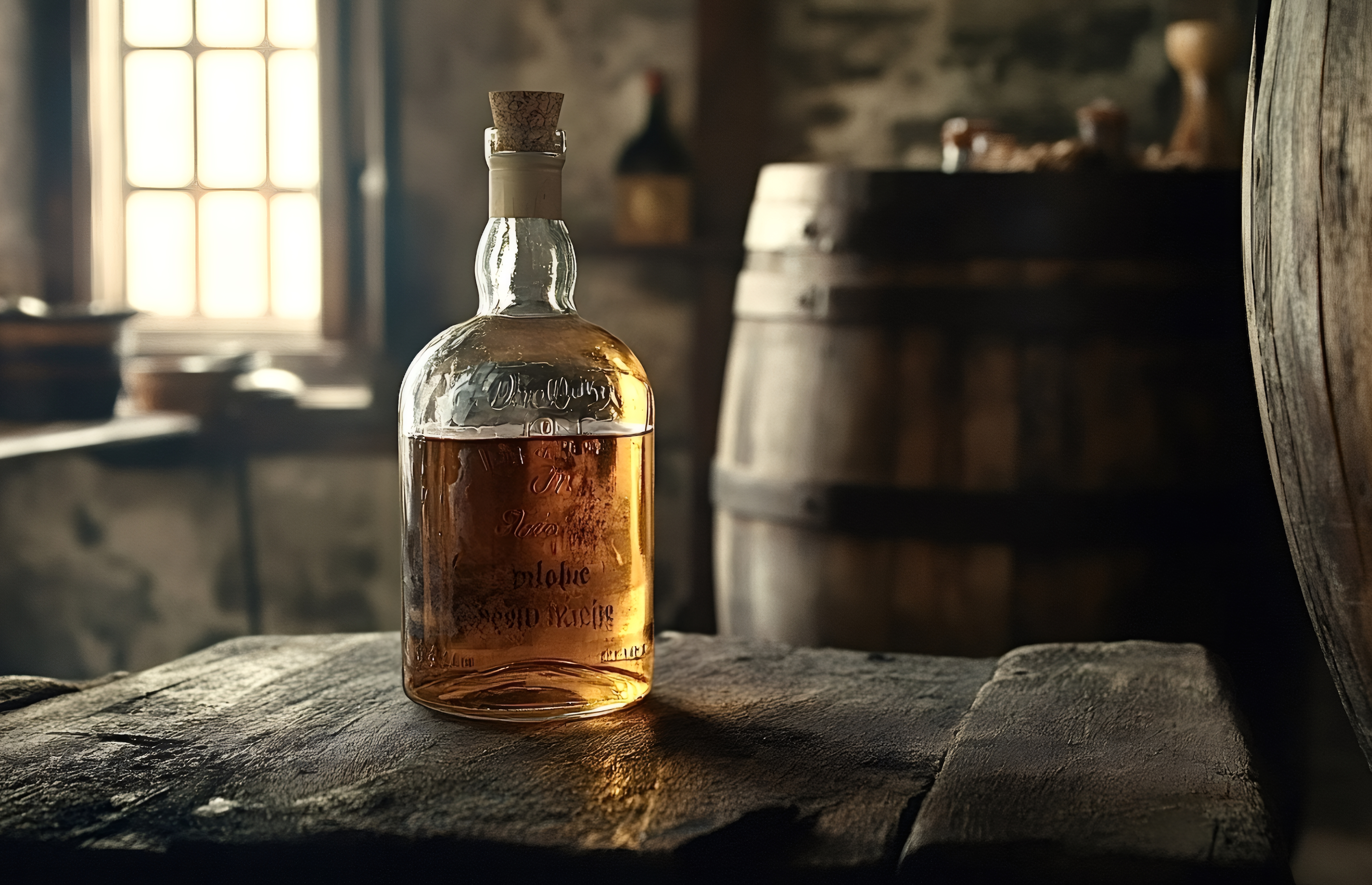
Drink Local, Drink Better: Why Craft Spirits Are Gaining Popularity

Just twenty years ago, choosing a spirit often meant opting for a major international brand, with its instantly recognizable bottle and promise of consistency. Today, something has changed. In wine cellars, fine food stores, and trendy bars, it's small local producers who are attracting attention, curiosity, and budgets. Craft spirits are experiencing spectacular growth, with a global market estimated at nearly $20 billion in 2024, expected to almost double by 2029.
Less but better
The primary driver of this trend is simple: consumers are making more informed and demanding choices. In France, as in most Western countries, the average purchase price per bottle continues to rise, a sign of an assumed move upmarket. This is called "premiumization," a movement that encourages enthusiasts to prioritize quality and experience over quantity. A craft bottle purchased with knowledge, with a story behind it, provides satisfaction and emotion that only this type of production can offer.
Authenticity as a core value
What today's consumers are primarily looking for is authenticity. They want to know where what they drink comes from, who produced it, with what raw materials, and using what methods. Craft spirits fully meet this aspiration: they tell a story of terroir, human expertise, and distinct flavor profiles. Each bottle is unique, bearing the mark of the hand that made it and the plot that provided the raw materials.
This quest for authenticity is accompanied by genuine curiosity for new flavors, unexpected techniques, and products that open new taste horizons. Consumers, especially younger generations, are seeking meaning and consistency in their choices, and increasingly value brands that embody a sincere and committed vision.
Terroir, a new playground for distillers
In the wine world, the concept of terroir has been self-evident for centuries. In the spirits world, it is making a remarkable and exciting entry. More and more craft distillers are claiming the local origin of their grains, fruits, or botanicals, and highlighting the link between their geographical environment and the character of their production. In France, 2 million tons of agricultural materials are used each year in the production of spirits, from wheat to malt, as well as apples, mirabelles, and grapes. This pool of local resources is a formidable playground for producers seeking to express something unique and deeply rooted in their region.
A global trend, very local expressions
This movement towards local and artisanal production is not limited to France or Europe. It is global, and it takes very different forms depending on cultures and traditions. In Japan, small whisky and shochu distilleries are experiencing unprecedented enthusiasm. In South America, pisco and mezcal producers are rediscovering forgotten ancestral varieties. In Asia, new players are reinterpreting ancient spirits with the ingredients and know-how of their own region. This abundance is excellent news for enthusiasts: never before has the diversity of available spirits been so great, and never has it been so exciting to explore what the world produces off the beaten path.
Artisanal, a philosophy of life
Choosing a craft spirit is much more than a purchase. It's embracing a philosophy that values the time, care, and human commitment behind each bottle. It's supporting a local producer, participating in the preservation of craftsmanship, and offering oneself a unique and irreplaceable sensory experience. In a world that increasingly values exception and singularity, quality craft spirits naturally stand out as the choice of enlightened epicureans.
